 realmlord
If you’re planning to work in Germany’s manufacturing industry, this comprehensive guide explains how to find manufacturing jobs, the qualifications employers look for, salary expectations, legal employment requirements, and practical strategies to improve your chances of success.
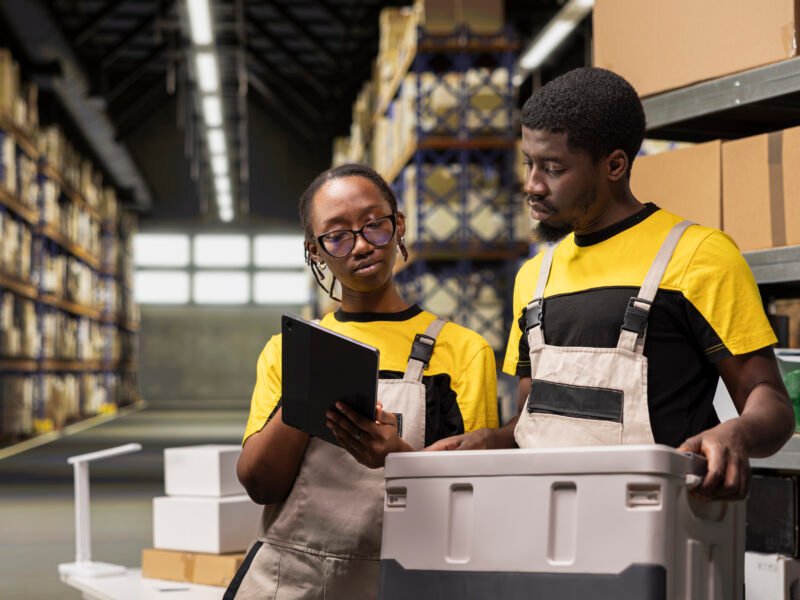
Germany is widely recognized as one of the world’s leading manufacturing nations. From automotive production and industrial machinery to electronics, pharmaceuticals, food processing, and consumer goods, the country’s manufacturing sector employs millions of workers and continues to play a vital role in the German economy.
As businesses expand and experienced workers retire, some employers recruit qualified international candidates to help meet workforce needs. For many foreign workers, Germany offers competitive salaries, strong labor protections, excellent working conditions, and opportunities for long-term career growth.
Why Work in Germany’s Manufacturing Industry?
Germany is home to thousands of manufacturing companies ranging from small family-owned businesses to globally recognized multinational corporations.
Working in Germany offers several advantages:
- Competitive salaries
- Stable employment opportunities
- Modern manufacturing facilities
- Strong labor laws
- Paid vacation and public holidays
- Comprehensive healthcare benefits
- Opportunities for training and career advancement
- Safe working environments
- International work culture
- High quality of life
Many employers invest heavily in employee development, helping workers build long-term careers.
Can International Workers Get Manufacturing Jobs in Germany?
Yes.
International workers may be eligible for manufacturing jobs in Germany if they meet employer requirements and satisfy Germany’s employment and immigration regulations.
Depending on your nationality, occupation, and qualifications, you may need:
- A valid job offer
- Appropriate work authorization
- A valid passport
- Supporting documentation required by German authorities
Some employers may assist eligible candidates during the employment authorization process, but requirements vary.
Types of Manufacturing Jobs Available
Germany’s manufacturing industry offers opportunities across many sectors.
Common positions include:
1. Production Worker
Production workers support manufacturing operations by assembling products, monitoring production lines, and maintaining quality standards.
Typical responsibilities include:
- Operating production equipment
- Monitoring manufacturing processes
- Packaging finished products
- Following workplace safety procedures
2. Machine Operator
Machine operators manage industrial equipment used in manufacturing.
Responsibilities may include:
- Setting up machines
- Monitoring production
- Performing basic maintenance
- Reporting equipment issues
3. Assembly Line Worker
Assembly workers help manufacture products efficiently while maintaining production quality.
Tasks often include:
- Component assembly
- Product inspection
- Packaging
- Inventory support
4. Quality Control Inspector
Quality inspectors examine products to ensure they meet company and regulatory standards.
They may:
- Inspect finished products
- Record quality data
- Identify production defects
- Recommend process improvements
5. Warehouse and Materials Handler
Manufacturing companies rely on warehouse teams to manage inventory and support production.
Common duties include:
- Receiving deliveries
- Organizing inventory
- Picking materials
- Preparing shipments
6. Maintenance Technician
Maintenance technicians help keep production equipment operating safely and efficiently.
Responsibilities include:
- Preventive maintenance
- Equipment repairs
- Troubleshooting mechanical issues
- Safety inspections
Some positions require technical qualifications.
7. Forklift Operator
Forklift operators move raw materials and finished products within manufacturing facilities.
Employers may require recognized forklift certification depending on the role.
Skills Employers Value
Manufacturing employers often seek candidates with:
- Reliability
- Attention to detail
- Physical stamina
- Teamwork
- Communication skills
- Time management
- Problem-solving
- Basic computer skills
- Safety awareness
- Ability to work shifts
Experience with automated production systems can be an advantage.
Educational Requirements
Requirements vary depending on the position.
Some entry-level roles may require:
- Secondary school education (preferred by some employers)
- Basic English or German communication
- Relevant work experience (helpful but not always required)
Technical positions often require vocational training, certifications, or trade qualifications.
Salary Expectations
Manufacturing salaries vary depending on the employer, experience, region, occupation, overtime, and shift allowances.
Illustrative annual salary ranges include:
| Manufacturing Role | Estimated Annual Salary |
| Production Worker | $38,000–$50,000 |
| Assembly Line Worker | $38,000–$52,000 |
| Machine Operator | $42,000–$58,000 |
| Warehouse Worker | $38,000–$50,000 |
| Forklift Operator | $40,000–$55,000 |
| Quality Control Inspector | $48,000–$70,000 |
| Maintenance Technician | $55,000–$80,000 |
Actual earnings depend on qualifications, employer policies, location, overtime, bonuses, and applicable labor agreements.
Industries Hiring Manufacturing Workers
Manufacturing opportunities exist across numerous industries, including:
- Automotive manufacturing
- Aerospace
- Industrial machinery
- Electronics
- Food and beverage production
- Pharmaceuticals
- Medical devices
- Chemicals
- Renewable energy equipment
- Packaging manufacturing
Demand varies depending on economic conditions and employer hiring needs.
Where to Find Manufacturing Jobs
Use reputable job platforms and official employer career websites.
Popular resources include:
- LinkedIn Jobs
- Indeed Germany
- Make it in Germany
- Federal Employment Agency (Bundesagentur für Arbeit)
- Step Stone Germany
- Company career pages
- Licensed recruitment agencies
When searching, use keywords such as:
- Germany Manufacturing Jobs
- Production Worker Germany
- Factory Jobs Germany
- Machine Operator Germany
- Assembly Line Jobs Germany
- Manufacturing Jobs for International Workers
Never pay recruiters who promise guaranteed jobs or visas.
Step-by-Step Guide to Securing a Manufacturing Job
Step 1: Prepare a Professional CV
Your resume should include:
- Contact information
- Professional summary
- Work experience
- Education
- Technical skills
- Certifications
- Languages spoken
Tailor your CV to match the job description whenever possible.
Step 2: Write a Strong Cover Letter
Your cover letter should explain:
- Why you want the role
- Relevant manufacturing experience
- Technical or practical skills
- Interest in relocating to Germany
- Why you are a suitable candidate
A personalized cover letter demonstrates professionalism.
Step 3: Search for Suitable Vacancies
Review each job description carefully.
Focus on positions that match your experience and qualifications.
Some employers indicate whether they accept international applicants or provide information about employment authorization requirements.
Step 4: Submit High-Quality Applications
Customize every application rather than sending identical resumes to multiple employers.
Track:
- Company name
- Position
- Date applied
- Interview schedule
- Application status
Good organization helps manage your job search effectively.
Step 5: Prepare for Interviews
Manufacturing interviews often include questions about:
- Previous work experience
- Workplace safety
- Teamwork
- Quality control
- Reliability
- Shift availability
- Problem-solving
Use practical examples from your previous employment where possible.
Step 6: Review the Employment Contract
Before accepting a position, carefully review:
- Salary
- Working hours
- Benefits
- Overtime policy
- Vacation entitlement
- Job responsibilities
- Contract duration
Ask for clarification if any terms are unclear.
Step 7: Complete Employment and Immigration Requirements
If hired, work with your employer to complete the required employment and immigration procedures.
Submit all requested documentation accurately and within the required deadlines.
Documents Commonly Required
Requirements vary depending on your nationality and the employer, but commonly requested documents include:
- Valid passport
- Employment contract
- Updated CV
- Educational certificates (if applicable)
- Professional certifications
- Passport-sized photographs
- Supporting identity documents
Always verify current official requirements before submitting documents.
Tips to Improve Your Chances
Increase your competitiveness by:
- Learning basic German.
- Gaining manufacturing or warehouse experience.
- Completing workplace safety training.
- Earning forklift certification where appropriate.
- Improving communication skills.
- Building a professional LinkedIn profile.
- Applying consistently.
- Preparing thoroughly for interviews.
- Researching employers before applying.
Continuous learning and professionalism can make your application more attractive.
Common Mistakes to Avoid
Avoid these common errors:
- Sending generic applications.
- Applying without reading job requirements.
- Providing inaccurate information.
- Ignoring workplace safety expectations.
- Arriving unprepared for interviews.
- Missing application deadlines.
- Paying unofficial recruiters.
Attention to detail can improve your chances of success.
Frequently Asked Questions
Can international workers get manufacturing jobs in Germany?
Yes. International workers may qualify for manufacturing jobs if they meet employer requirements and Germany’s employment and immigration rules.
Do I need to speak German?
Language requirements vary. Some international employers use English in the workplace, but learning German can improve employment opportunities and workplace communication.
Are manufacturing jobs in demand?
Demand varies by industry, region, and economic conditions. Germany’s manufacturing sector continues to employ a large workforce across many industries.
Do employers provide work authorization support?
Some employers assist eligible international candidates with employment-related immigration processes, while others may require applicants to already have authorization to work in Germany.
Conclusion
Germany’s manufacturing industry offers excellent opportunities for international workers seeking stable employment and long-term career growth. From production and assembly to quality control, warehouse operations, and equipment maintenance, there are opportunities across many sectors for qualified candidates.
The key to success is preparing a professional CV, tailoring each application, developing relevant workplace skills, and applying through reputable employers. While employment and immigration approval are never guaranteed, persistence, continuous learning, and careful preparation can significantly improve your chances of securing a manufacturing job in Germany.


 realmlord