 realmlord
Employment, competitive wages, and opportunities to build a better future. Among the most accessible opportunities are farm work jobs with visa sponsorship. Due to labor shortages in agriculture, Canada continues to be one of the world’s top destinations for foreign workers seeking stability. Many Canadian employers recruit qualified foreign workers to fill seasonal and permanent positions.
If you are searching for a legitimate way to work in Canada, this guide explains everything you need to know about securing a full visa-sponsored farm work job in Canada as a foreigner.
Why Canada Needs Foreign Farm Workers
Canada’s agricultural industry plays a vital role in the country’s economy. Every year, farms require thousands of workers to help with planting, harvesting, livestock management, greenhouse operations, and food production.
However, many employers struggle to find enough local workers. To address this shortage, the Canadian government allows employers to recruit qualified foreign workers through approved immigration and work permit programs.
Some of the benefits include:
- Legal employment opportunities
- Competitive hourly wages
- Potential overtime pay
- Employer-sponsored work permits
- Valuable international work experience
- Opportunity to return for future seasons
- Pathways to permanent residence in some cases
What Is a Visa-Sponsored Farm Job?
A visa-sponsored farm job is a position where an eligible Canadian employer hires a foreign worker and supports the work permit process when applicable under Canadian immigration rules.
Depending on the program, the employer may obtain the necessary approvals before the worker applies for a work permit.
Visa sponsorship does not mean the employer pays every travel or relocation expense. The exact support varies by employer and government program.
Types of Farm Jobs Available in Canada
Canada offers many agricultural positions for international workers.
Common opportunities include:
Fruit Picker
Responsibilities include:
- Picking apples
- Harvesting berries
- Collecting cherries
- Sorting produce
- Packing fruits
Vegetable Farm Worker
Tasks include:
- Planting vegetables
- Watering crops
- Harvesting produce
- Packaging vegetables
- Cleaning work areas
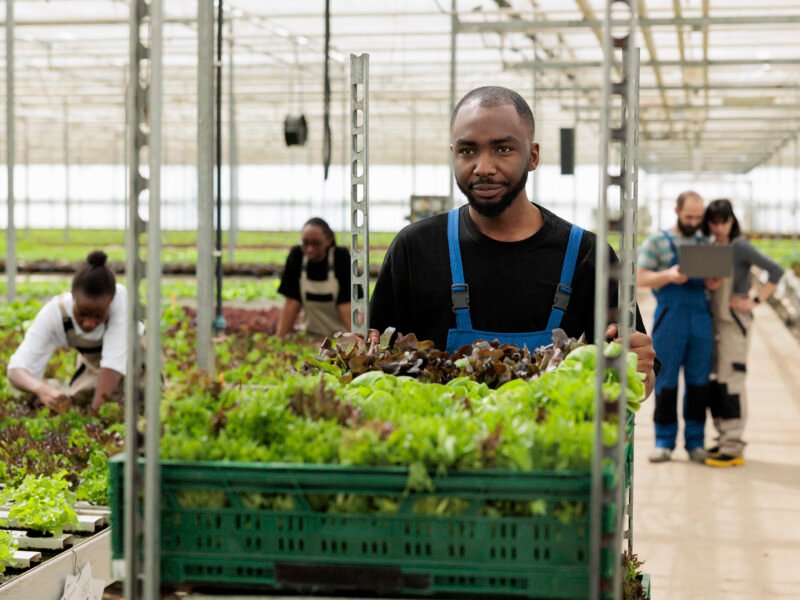
Greenhouse Worker
Responsibilities include:
- Plant care
- Watering plants
- Packaging flowers
- Monitoring temperatures
- Preparing seedlings
Dairy Farm Worker
Daily duties include:
- Feeding cattle
- Cleaning barns
- Milking cows
- Maintaining equipment
- Monitoring animal health
Poultry Farm Worker
Typical tasks include:
- Feeding chickens
- Egg collection
- Cleaning poultry houses
- Monitoring bird health
Livestock Farm Assistant
Responsibilities include:
- Feeding animals
- Repairing fences
- Cleaning facilities
- Moving livestock
- Assisting with veterinary care
Average Salary for Farm Workers in Canada
Salaries vary depending on the province, employer, experience, and role.
Typical ranges include:
- Entry-level workers: CAD $17–$22 per hour
- Experienced workers: CAD $22–$30 per hour
- Supervisors: CAD $28–$40 per hour
Many employers also provide:
- Overtime pay
- Accommodation (in some cases)
- Transportation assistance (varies)
- Training
- Safety equipment
Basic Requirements
Most Canadian farm jobs require applicants to:
- Be at least 18 years old
- Hold a valid passport
- Meet the employer’s job requirements
- Be physically fit
- Be willing to work outdoors in varying weather conditions
- Follow workplace safety rules
Some employers may also request:
- Basic English or French communication skills
- Previous farming experience (not always required)
- Medical examination
- Police clearance, depending on the work permit program
Canadian Programs That Recruit Foreign Farm Workers
Several government-authorized programs allow employers to hire foreign agricultural workers.
These include:
- Seasonal agricultural worker programs for eligible countries
- Agricultural Stream under the Temporary Foreign Worker Program
- Other approved employer-specific work permit pathways
Eligibility depends on the employer, occupation, and immigration requirements in effect at the time of application.
Step-by-Step Guide to Securing a Visa-Sponsored Farm Job
Step 1: Prepare a Professional CV
Your resume should include:
- Personal information
- Work experience
- Education
- Skills
- Languages spoken
- References (if available)
Highlight any experience involving farming, construction, warehouses, gardening, machinery, or physical labor.
Step 2: Search for Genuine Canadian Employers
Focus on legitimate employers advertising farm vacancies.
Look for positions that clearly explain:
- Job duties
- Salary
- Work location
- Employment duration
- Work permit support (where applicable)
Always verify that job offers are genuine.
Step 3: Submit Strong Applications
Tailor your application to each position.
Include:
- Updated resume
- Cover letter
- Supporting documents
- Relevant certifications
Avoid sending the same generic application to every employer.
Step 4: Attend the Interview
Interviews may be conducted online.
Employers commonly ask about:
- Previous work experience
- Physical fitness
- Availability
- Language skills
- Willingness to relocate
Answer honestly and professionally.
Step 5: Employer Completes Required Hiring Process
If selected, the employer follows the applicable Canadian hiring process before you apply for a work permit.
Do not pay anyone claiming they can “guarantee” a Canadian work visa.
Step 6: Apply for Your Work Permit
Once eligible, submit your work permit application with the required documentation.
Prepare documents such as:
- Passport
- Employment documents
- Medical exam (if required)
- Biometrics (if required)
- Supporting forms
Step 7: Travel to Canada
After approval:
- Book your flight
- Carry original documents
- Follow Canadian border requirements
- Attend employer orientation
Provinces with Strong Agricultural Employment
Many agricultural opportunities are available in:
- Ontario
- British Columbia
- Alberta
- Saskatchewan
- Manitoba
- Quebec
- Nova Scotia
- Prince Edward Island
Each province specializes in different crops and livestock operations.
Skills That Improve Your Chances
Although many farm jobs are entry-level, employers often value candidates with:
- Physical stamina
- Teamwork
- Reliability
- Time management
- Equipment operation experience
- Livestock handling
- Greenhouse knowledge
- Basic mechanical skills
Common Mistakes to Avoid
Many applicants lose opportunities because they:
- Apply with incomplete resumes
- Submit outdated documents
- Ignore application instructions
- Apply through unverified recruiters
- Pay illegal recruitment fees
- Provide false information
- Miss interview appointments
Accuracy and honesty are essential.
Tips for Standing Out
Increase your chances by:
- Applying early
- Improving your English or French
- Gaining basic agricultural experience
- Keeping your passport valid
- Customizing each application
- Following employer instructions carefully
Persistence matters, as employers often receive many applications.
Can Farm Work Lead to Permanent Residence?
Some foreign workers may become eligible for permanent residence through Canadian immigration pathways, depending on their occupation, work experience, province, and the immigration programs available at the time they apply.
Farm work itself does not automatically guarantee permanent residence, but Canadian work experience can strengthen future immigration applications for eligible individuals.
Beware of Job Scams
Unfortunately, fake recruitment offers are common.
Protect yourself by:
- Verifying employers
- Reading contracts carefully
- Avoiding promises of “guaranteed visas”
- Never sending money to unofficial recruiters
- Confirming information through official Canadian government resources
Legitimate employers cannot guarantee immigration approval.
Frequently Asked Questions
Do I need farming experience?
Not always. Some employers hire entry-level workers and provide training, while others prefer experienced applicants.
Is English required?
Basic communication skills are helpful, but the exact language requirements depend on the employer and job.
Can couples apply together?
Some employers may hire multiple workers, but each applicant must qualify individually and meet immigration requirements.
Are accommodations included?
Some employers provide housing or assist with finding accommodation. This varies by employer and should be confirmed before accepting a job.
How long do contracts last?
Contract lengths vary. Seasonal roles may last several months, while some positions are available year-round.
Conclusion
Canada remains one of the best destinations for foreigners seeking legal agricultural employment. With labor shortages across many farming sectors, qualified and motivated workers continue to be in demand.
The key to success is applying through legitimate employers, preparing a professional application, understanding the work permit process, and avoiding recruitment scams. While visa sponsorship arrangements differ depending on the employer and immigration program, many foreign workers successfully obtain authorized employment each year through approved pathways.
If you remain patient, keep your documents updated, and apply only for genuine opportunities, you can significantly improve your chances of securing a farm work job in Canada and gaining valuable international work experience.


 realmlord